I first heard about Vipassana courses years ago, and it immediately struck me as something crazy yet beautiful to do. A friend jokingly talked about doing a silent meditation course in remote British Columbia wilderness for 10 days. “They’re free too, you know,” he said. While he was wrong about that point, the idea captured my imagination. It took me four years to finally attend a course, but I’m glad I did.
What is Vipassana Meditation?
Vipassana means “to see things as they really are.” No illusions, no bullshit, no made-up stories. It’s an ancient tradition that dates back to the Buddha, and the technique was passed down through generations.
In 1969, S.N. Goenka started teaching Vipassana in India. Born in Myanmar to a wealthy Indian business family, Goenka is the “the foremost lay teacher of Vipassana meditation of our time.” He revitalized the technique, teaching thousands of people before he passed away in 2013. He still plays an important role in Vipassana courses, as videos of him teaching, called Dharma Talks, play every night after the evening meditation session.
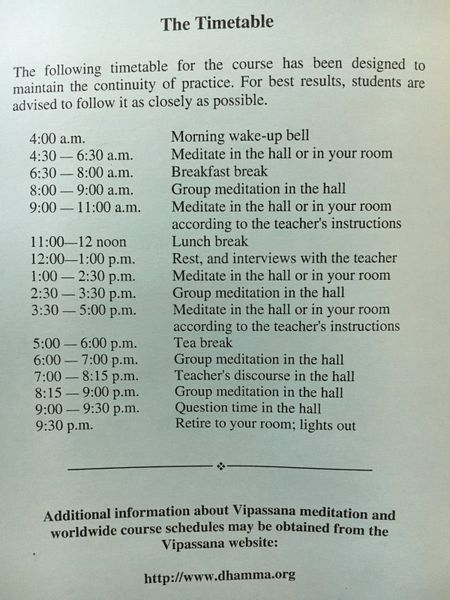
Vipassana courses are donation-based, with participants living at the retreat center for the duration of the course (there are around 341 centers in 94 countries around the world). Men and women are separated, living and eating in different areas. Participants adhere to a strict schedule (pictured below), and spend the majority of their days meditating in silence in the meditation hall. Phones are collected upon arrival, and you only get yours back only after the course is over. There is no talking, reading, journaling, or eye contact allowed. Since there are no distractions, you really get in touch with the nature of your own mind, the ways in which we create our own suffering, and how we can free ourselves from it.
My 10-Day Silent Meditation Course Experience
I applied many times to the retreat center in Triebel, Germany before being accepted to a course in May 2023. Normally it’s easier to get accepted, but there were limited seats during COVID when I was originally applying.
I was so happy to get the acceptance email, but about a week before the course was set to start I began feeling really nervous and having doubts. What was I getting myself into? I talked to some friends who had completed the course, trying to understand the schedule and what it would be like. I wondered if I would be able to wake up at 4 a.m. every day and sit for so many hours of meditation. I didn’t really have a regular practice, only meditating for about 20 minutes in the morning twice a week.
Luckily, I was able to find a rideshare from Munich with another girl heading to the course, named Sara. On the morning of the start date, I walked up to her blue van full of nerves. As she stepped out to shake my hand, I noticed we were wearing the same pants. This felt like a good sign. We spent the ride up talking about Vipassana, Munich life, and more, both feeling a little nervous. We picked up another guy going to the course at a gas station in a small village on our way. He was full of energy, excited to start the course.
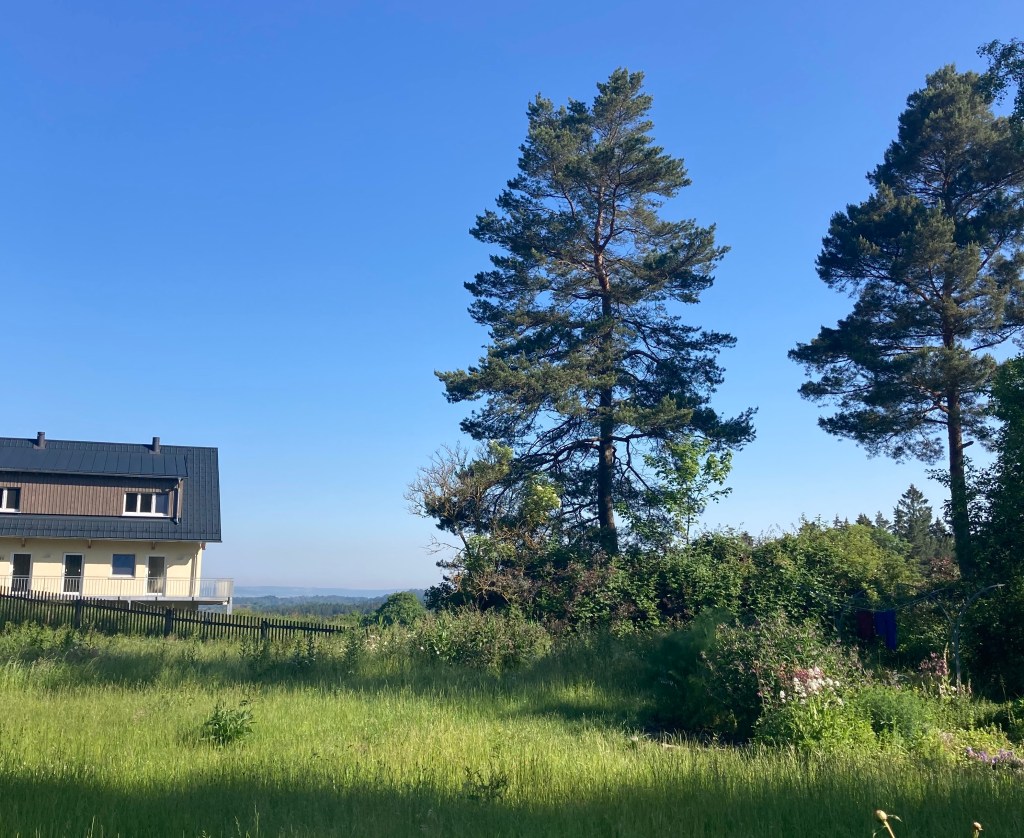
After a few hours, we finally arrived at the retreat center, a charming, quiet place located in the countryside close to the Bavarian border. The main building, which housed the dining hall, reception area, and offices, was surrounded by vibrant flowers. Many people were milling about on the lawn, talking and looking expectant. Here, we checked in and handed over our mobile phones. Each phone was turned off and placed in a numbered compartment, ready for a long 10-day sleep.
Sara and I were randomly assigned to be in the same room, along with three other roommates. After checking in, we made our way to our room in a cabin-like building. We barely had time to say hi to the people we would be sharing a room in silence with for the next 10 days before a gong rang out. It was time for the welcome meeting. This consisted of a question and answer session and some general rules. We were told it was not permissible to leave the course early. Gulp. Was I entering meditation jail?
After the meeting, I felt some allergies coming on (it was peak season), so I went to go take a quick shower. When I got back to the room, it was empty. I laid down for a moment, tired from the journey. When I woke up a few hours later, my roommates were returning. They looked like they wanted to tell me something, but couldn’t. Life is generally a bit harder when we can’t communicate with others and ask them questions, and I had clearly missed something important. Every Vipassana course begins with a vow of Noble Silence, where participants pledge to remain silent throughout the course. Unfortunately, I had slept through it. I rolled over and went back to sleep. But not for long.
The sound of a gong playing over the retreat’s sound system woke us up at 4 a.m. It was time for the first morning meditation. We walked to the meditation hall half-asleep in the dark. The night before, everyone had been assigned a meditation cushion in the hall. I grabbed a lonely looking one in the back corner, hoping it belonged to no one. I closed my eyes and settled in. Chanting began to play over the speakers, and a man’s voice instructed us to focus on the small area below our nostrils, noticing the feel of the breath here. We would spend the next three days doing this. It was a bit tedious, and during this time I contemplated leaving at least once a day. I asked myself, “Mikayla Uber, what have you gotten yourself into this time?”
Each day was the same, consisting of mediation sessions, meal times, and some free time to walk around the center’s nature paths. I savored the little pleasures, like softly singing Tina Turner in the shower, sunbathing on a secluded bench in the forest area with an afternoon hot chocolate, and the tasty vegetarian lunches. The flowers were in full technicolor bloom and each evening sunset was a revelation. And yet, I was happy to make it through each day.
Day 4 brought some unexpected developments. When I returned to the room from morning meditation, Sara’s things were all gone and her bed was neatly made. I walked over to the dining area and couldn’t spot her blue van in the parking lot. The closest thing I had to a friend here was gone. Then, soon after, I noticed I had a bladder infection. I sought out the course manager and broke my silence to ask for some medicine. She was really kind and told me she would have someone head to town to fetch some, after checking with the course instructor that it was okay. That evening, I found some medicine on the table next to my bed and all was well.
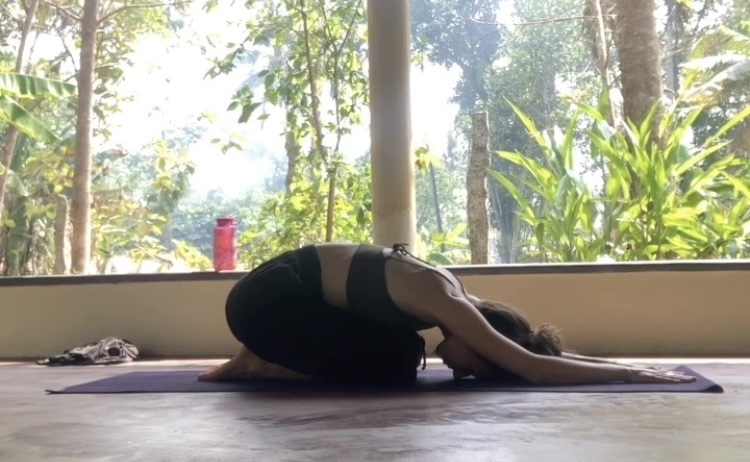
Day 4 was also the day we began practicing Vipassana meditation. Our mind had calmed down after three long days, and it was time to expand our awareness from our nostrils to the entire body. This involves observing the subtle sensations of the body with body scans from the toes to the top of the head and back, witnessing how they rise and fall. Pleasurable sensations are not superior to negative ones, and both are impermanent. With that said, my back was very much in pain. We had also started our “sits of determination”, in which we were asked to practice the technique without moving our bodies for the entire session.
As the course continued, I learned more about myself and the nature of my mind. These lessons led to some shifts in my life, ones I’m still thinking about a year later. Here are the main ones:
- Opening myself to life: On the first day of the course (and other days too), I noticed how much I was willing time to pass. I was so happy when the meditation session ended, when the day finally came to an end. I just wanted to get it over with. I was also worrying about other course participants not liking me, which is a pretty silly insecurity, considering we couldn’t even make eye contact. I generally felt like a fish out of water who just wanted to go hide in my comfortable, shadowy pond. I realized this equated to being afraid of life, and closing myself off to experience. I tried to let go of the fear and become more present, and I’m still practicing this today by consciously trying to face fears and expand my comfort zone.
- Letting go of illusions and cravings: For many people, the Vipassana technique helps reduce unhealthy cravings and addictions, such as alcohol dependencies and smoking. As someone who has never struggled with dependencies to any substance (other than coffee and matcha lattes), I smugly thought this point didn’t really apply to me. I wasn’t even missing my phone, so what could I possibly be addicted to that was unhealthy? This question was soon answered. For much of the meditation time, my thoughts were occupied with the person I was dating. I noticed how much time and energy went to thinking and craving this person. Like an addiction, it felt like it was preventing me from being present in my own life, my own experience. It was an escape, and ultimately I was living in illusion, not seeing the situation clearly. It was a wake up call, and I saw how my thoughts create my reality, my own suffering. If our thoughts have this much power, it’s valuable to learn the discipline of letting them go in order to witness the truer reality around us.
- Everything is impermanent: Nothing, no matter if it’s an unbearable pain in your knee or the blissful taste of biting into a peanut butter-honey sandwich, will last. No matter how much we try to hold on. There were good and bad days on the course, and they all passed with everything changing constantly, even in such a controlled environment. And so it is in our lives.
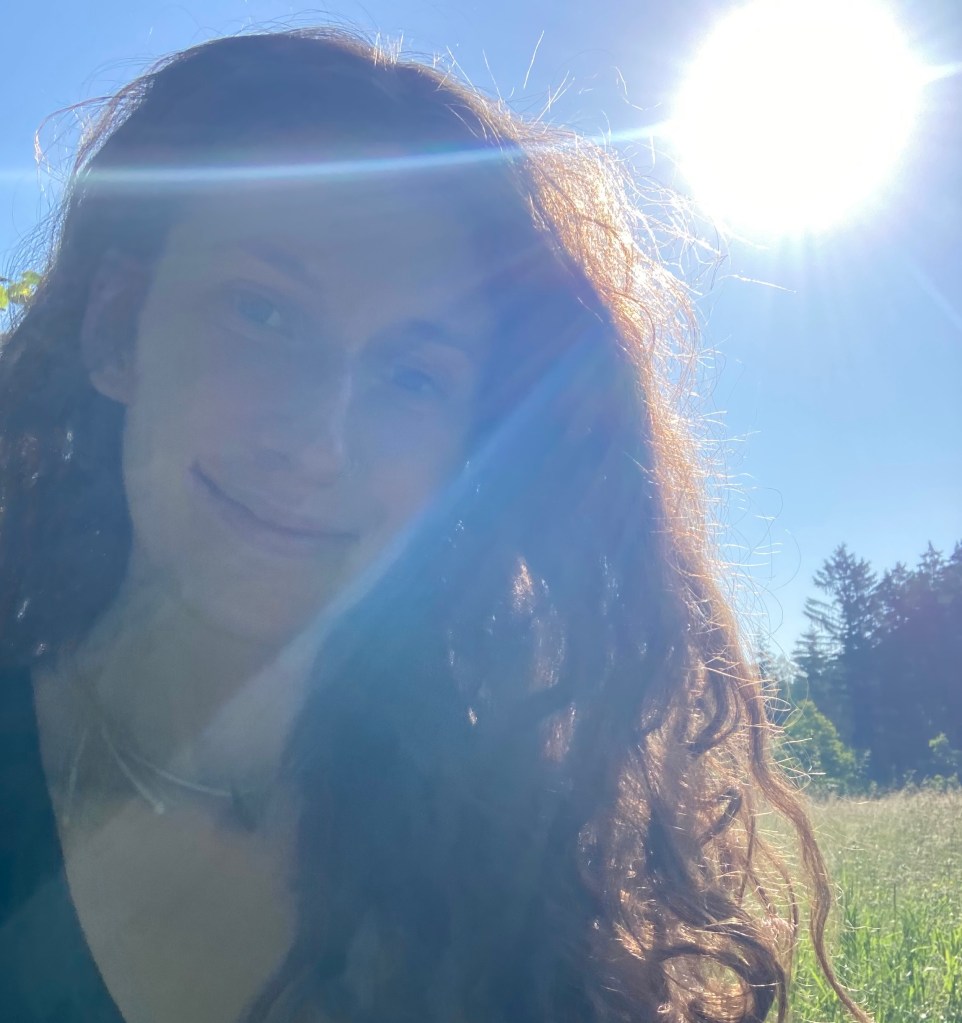
As the course drew to a close, I realized I was now worried about talking again. I could only smile at the workings of my mind (silently). On the last morning, we gathered in the meditation hall for a special loving kindness meditation session (mettabhavana), in which we sent out love to all beings, every where.
As we walked outside, the vow of Noble Silence came to an end and we were able to talk once again. It was really nice to finally speak to the people I’d been living with for the past 10 days about the experience we’d shared.
If you’re thinking of doing your own Vipassana course, I can only recommend it. It may be challenging, but it’s a time of quiet and deep contemplation that’s sure to lead to healing and teach you something valuable about the human experience.
What to Bring (Packing List):
- Loose, comfortable clothing for 10 days (flowy tops and pants)
- Water bottle
- Proper footwear (for rain and shine, depending on the time and location of your course)
- Toiletries (toothpaste, toothbrush, soap, shampoo, conditioner)
- Towel
- Ear plugs
- Jacket
- Watch / clock

 Home Far Away From Home
Leave a comment