With mystical lakes, colorful cities, active volcanoes, and jungles containing Mayan ruins, there’s a lot to love about Guatemala. This small Central American country might be a little off the beaten path (especially compared to nearby Mexico and Costa Rica), but it’s becoming an increasingly popular destination for travelers. And for good reason.
Up until recently, my knowledge of Guatemala was pretty limited. I knew it was a country in Latin America, but couldn’t tell you much else. However, after spending a spontaneous two weeks road tripping around the country, I was lucky enough to experience some highlights and get a little more familiar with The Land of Eternal Spring.
The time in Guatemala felt especially colorful, alive yet laid-back, and overwhelming for me. There were magical moments, slow mornings, stunning landscapes, and then there was soul-crushing jungle humidity, waking up to large spiders crawling across my face, and shoes flying overboard into the waters of Lake Atitlán (big thanks to the boat driver who turned around to scoop my boots out of the water). Basically, it was a trip not to be forgotten.
If you’ve been thinking about visiting Guatemala, the following two-week road trip itinerary can help with the planning process. From where to stay, when to visit, and what to do, this guide covers everything you need to fully experience Guate’s unique charm during your trip.
When is the Best Time to Visit Guatemala?

Guatemala has a tropical climate with two seasons — wet and dry. November to April is often considered the best time to visit, as this is when the weather is sunnier and more predictable. May to October is rainy season, but there are typically fewer tourists and lower prices during these months.
I visited in October, which is said to be one of the rainiest months, and didn’t experience too many problems with poor weather. Mornings were mainly sunny and mild, with a couple of afternoon showers when I was in Guatemala City and Antigua. If you’re visiting during rainy season, it’s a good idea to carry an umbrella and bring clothes for all weather types, but the rain shouldn’t hold you back too much.
The weather will also vary depending on the altitude and which region of the country you’re in. The coast and lowlands will be warmer than the highlands, for example. I found it quite chilly in Antigua in the evening, while Tikal and the surrounding areas felt seriously hot and humid.
How Safe is Guatemala?
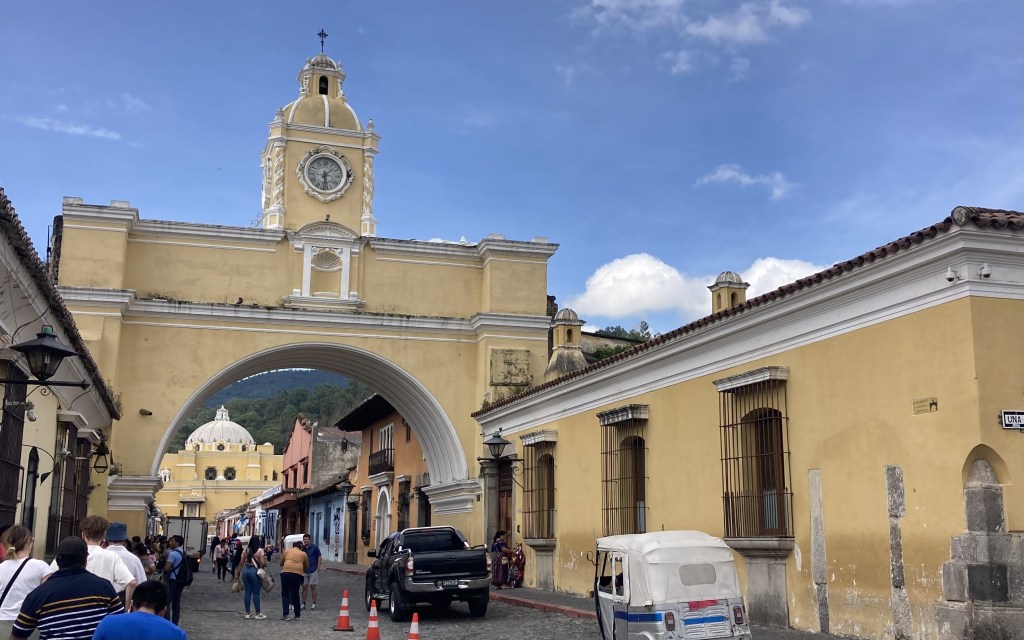
This was a question several people asked me about when I mentioned I was going to Guatemala. As a tourist, I felt safe and didn’t experience any problems. It was perfectly comfortable in Antigua and Lake Atitlán, and there were plenty of other backpackers and travelers around.
The only time I was a little wary was during my first nights in Guatemala City. I stayed at an Air Bnb in Zone 1, which is considered a sketchier area at night. So, I didn’t go walking around the area after dark. If you use common sense, you should be totally safe during your time in Guatemala.
Getting Around in Guatemala
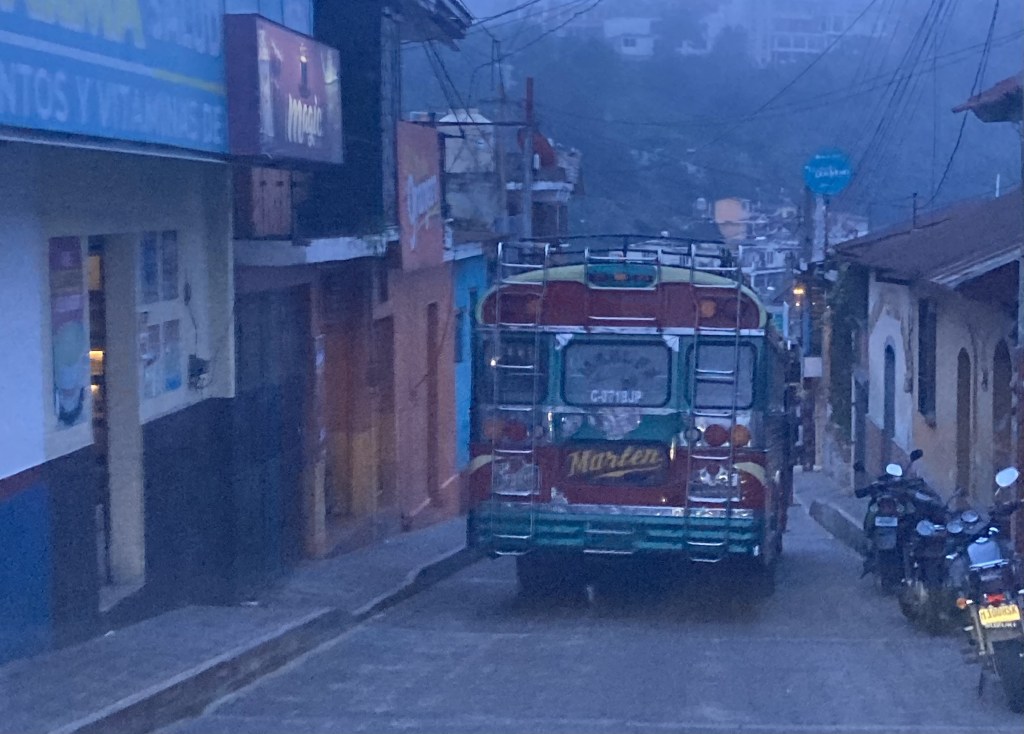
There are a few different ways to get from Point A to B in Guatemala. Here are some of the popular transportation methods:
- Chicken bus: The main form of public transportation in Guatemala is the bus, namely the eye-catching “chicken bus”. These revamped US school buses, called camionetas, are decked out in flashy bold colors and chrome trimmings, so you can’t miss them. I didn’t get the chance to ride a chicken bus, but if you’re up for an adventure you can hop on and let the driver know where you’re going and they’ll stop accordingly. Theft is common and safety can be a concern, so keep an eye on your valuables.
- Tourist shuttle: If you’re traveling between major tourist destinations like Antigua and the lake, a tourist shuttle might be your best bet for comfort, speed, and convenience. I took one to Antigua and it dropped me off right in front of my hostel. You can book these rides online or through your accommodation.
- Tuk-tuk: These small vehicles are found in basically every Guatemalan town and are a cheap, handy way to zip between spots in the area. Many tuk-tuks will stop and ask if you need a ride if you’re standing on the side of the road. You can also flag them down by waving your hand up and down.
- Uber: If you’re in Guatemala City without a car, Uber is a great way to get around. If you’re feeling adventurous, you can select the moto taxi option and weave through traffic on the back of a motorcycle.
- Car: For a little more freedom, you can rent a car from Guatemala City airport. Keep in mind that driving around Guatemala can be challenging, especially in rainy or foggy weather, and road closures are common. You’ll also want to avoid driving at night due to low visibility and safety issues.
Guatemala 2 Week Itinerary
Day 1: Guatemala City
While many tourists skip Guatemala City and go straight from the airport to Antigua, there are some unique places and a worthy restaurant scene worth checking out here.
In Zone 1, you’ll find the Palacio Nacional, a beautiful building that functions as a museum and place for governmental activities. The palace was constructed in 1939 by Guatemala’s then-president, dictator (and interesting character) General Jorge Ubico. You can take a guided tour to get a closer look at the elegant interiors and unique architectural elements, such as the fingerprint markings on door handles and impressive solid 18-karat gold chandelier.
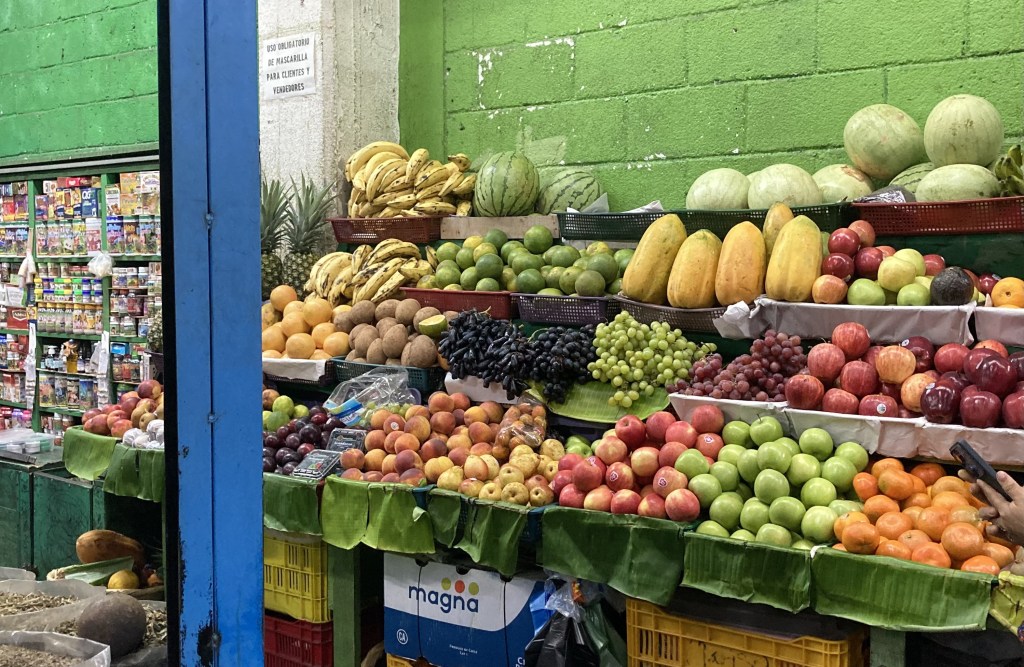
Afterwards, you can walk over to the Mercado Central, where you’ll find vendors selling fresh fruit, local crafts, knickknacks, and more. I really enjoyed sampling jocote and rambutan, which has a similar taste to lychee.
While I didn’t have time to visit any, Guatemala City is also home to plenty of noteworthy museums. For example, there’s Popul Voh and Museo Ixchel, where you can learn about Mayan textile arts.
One thing that astounded me about the city was the crazy amount of traffic. Like, lines of cars at a standstill for hours type of traffic. In the end, I gave up on making it out alive and ate dinner at a McDonalds in despair.
Day 2: Drive to Rio Dulce
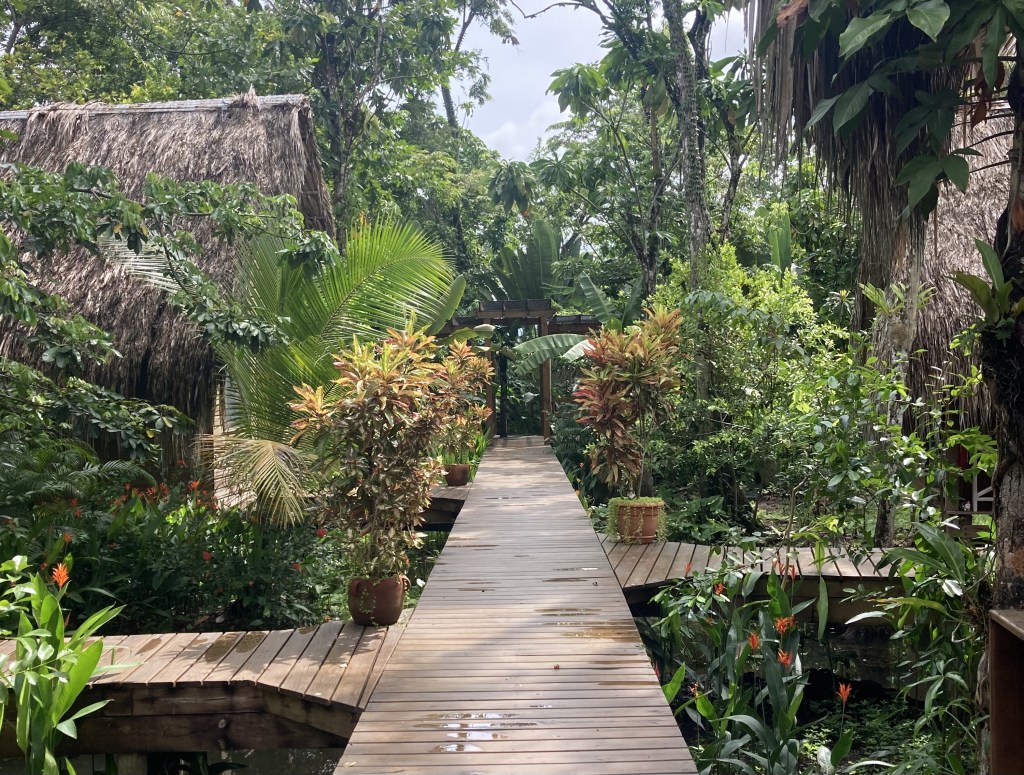
The first stop on the itinerary is Rio Dulce (Sweet River), which is about a six-hour drive from Guatemala City. A few long car rides await during the trip, so have your road trip playlists, games, podcasts, and snacks at the ready.
Due to traffic, road closures, and other unexpected delays, it’s best to start early in the day to arrive at Rio Dulce before dark. A great place to stay in the area is Boatique hotel and marina, which is just a 5-minute boat ride from the town. It’s a peaceful retreat in the jungle with a tasty menu, sleek swimming pool, and comfy beds.
Where to stay: Boatique Hotel
Day 3: Exploring Rio Dulce, Livingston, Playa Blanca, and more

Rio Dulce is a beautiful national park home to lush greenery, crocodiles, manatees, and marine birds like the white heron. The river flows through a canyon into the Caribbean Sea, where you can see the hazy outlines of Belize in the distance.
If you stay at Boatique Hotel (and probably most other places in the area), you can take a boat tour or hire a private speedboat to visit some unique sightseeing points along the river. For example, there’s Siete Altares, a series of freshwater pools and waterfalls perfect for taking a swim, and Playa Blanca, a pretty white sand beach fringed with palm trees on the tiny stretch of coastline. There’s also Livingston, a small and vibrant town where Garifuna and Mayan cultures mix. Just be careful when arriving at the boat dock: My friend and I were greeted by a friendly “tour guide” who wanted us to pay him a large fee for basically walking us down the street.
Day 4: Drive to Tikal National Park
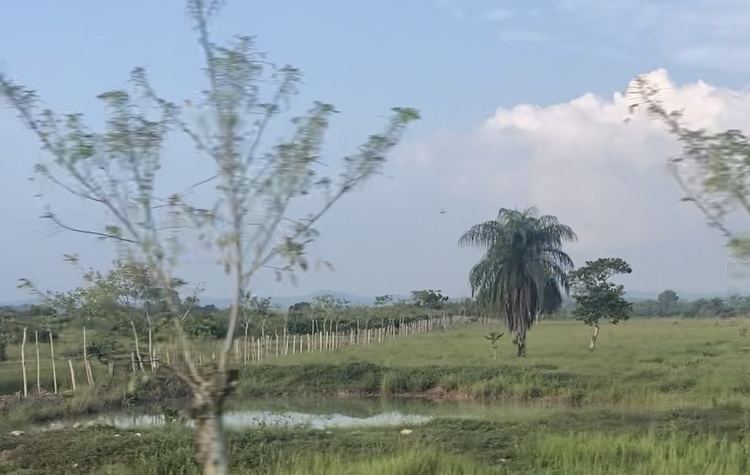
Up next is Tikal National Park, one of the major sites of ancient Mayan civilization. To get there from Rio Dulce, you’ll need about six hours in the car. Due to a road closure on the day we were traveling, it took us a bit longer. So, be sure to plan ahead and give yourself plenty of time for the drive!
There are lots of places to stay in and around the park, but I can really recommend staying at Gringo Perdido in the nearby town of El Remate. A little slice of paradise, it’s the perfect place to kick back and refresh with a swim in Lake Petén Itzá after sweating your way through the jungle.
Where to stay: Hotel Gringo Perdido
Day 5: Visiting Tikal

With majestic Mayan ruins and diverse wildlife, Tikal is one of the most iconic places to visit in Guatemala. At its peak between 200 and 850 A.D., the ancient city was home to somewhere around 45,000 and 62,000 people and stretched over a vast distance. The ruins are well-preserved, and seeing the temples towering over the tree tops is a stunning sight. Within the park, monkeys swing gleefully between branches, tarantulas burrow into the ground, and toucans impress with their vibrant colors.
To visit, you can book a tour beforehand online, hire a guide at the park entrance, or brave the ruins on your own. I went with a guide and found it really informative. It was a nice way to learn more about ancient Mayan civilization and the wildlife in the park. Before heading into the (very hot and humid) jungle, be sure to pack some sunscreen, bug spray, and water. While I only spent a few hours walking around, I almost died from the high humidity. Only the vision of a cold cerveza by the pool kept me alive.
Day 6: Drive to Semuc Champey

Another long day of driving awaits! From Tikal to Semuc Champey, the drive is about eight hours long, depending on traffic and other factors. Keep in mind that the road conditions around Lanquin, the nearest town to Semuc Champey, aren’t the best and it’s recommended to have a vehicle with 4WD.
As for accommodations, Utopia Eco Lodge is a cool place to stay within walking distance of Semuc Champey. It’s surrounded by lush jungle and offers a chill vibe, different activities, vegetarian meals, and unique chakra-themed board games.
Where to stay: Utopia Eco Lodge
Day 7: Swimming in the pools of Semuc Champey
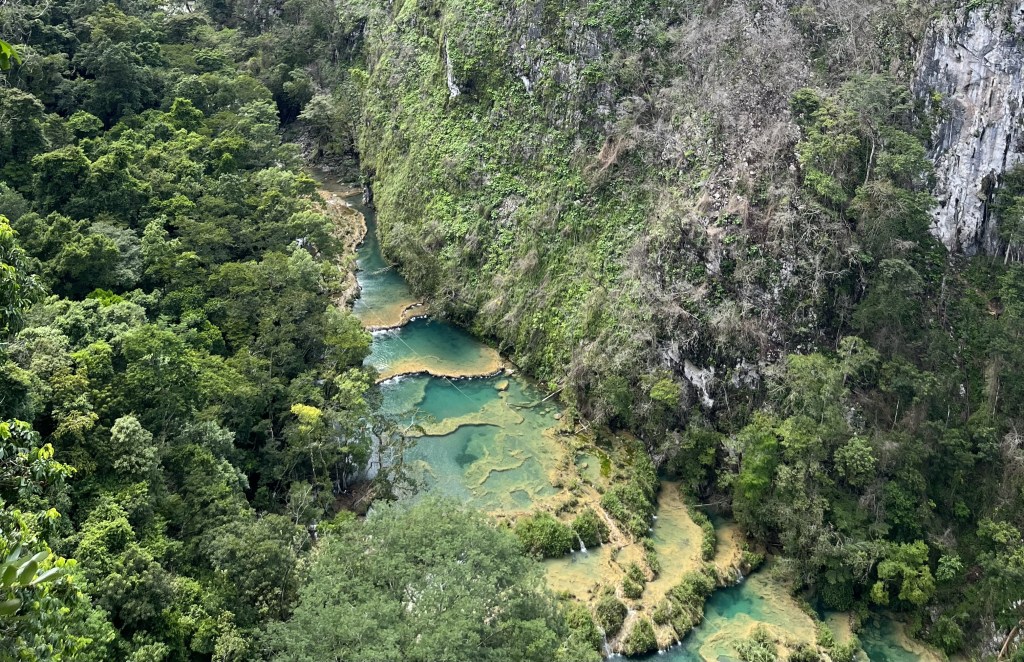
Blessed with natural beauty, Semuc Champey is a scenic area featuring a series of turquoise blue pools on a natural limestone bridge. After you pay the 50 Quetzales (about $7 USD) entrance fee, you can climb up to a viewpoint to see the pools from above. The walk takes about 20-30 minutes, depending on how long you linger at the top.
From there, you can make your way back down and reward yourself with a refreshing dip in the crystal clear waters. If you sit still, little fish will swim over and start nibbling the dead skin on your body. The pools are said to have healing powers, and while I’m not sure about this, I did wake up the next morning feeling like my skin was glowing and some scars on my wrists had faded. Maybe wishful thinking, maybe magic at work.
Day 8: Drive to Lake Atitlán
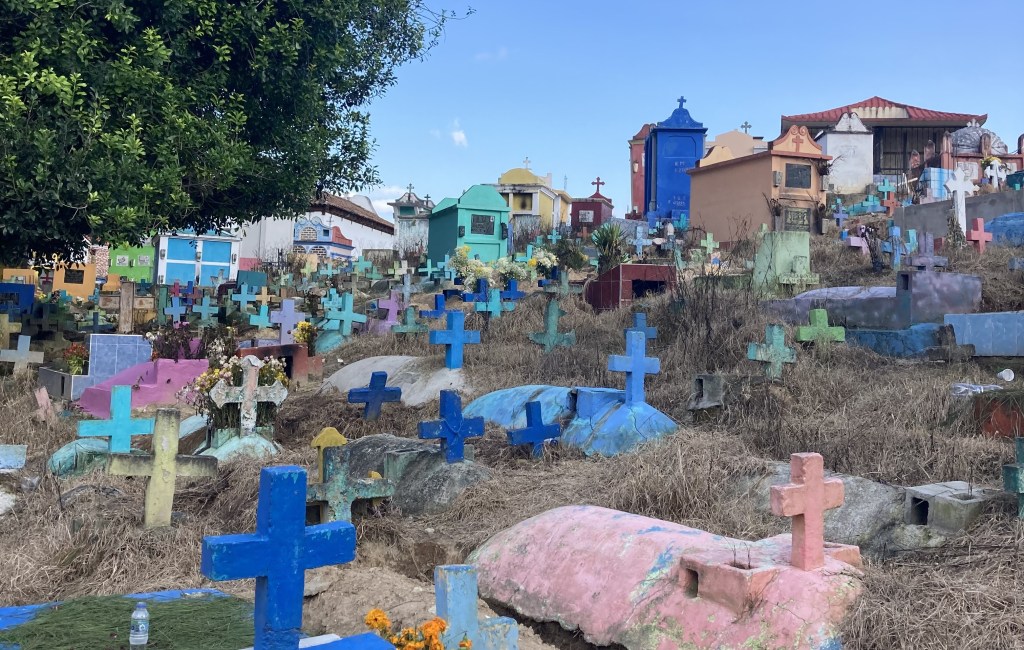
From Semuc Champey, the next stop is captivating Lake Atitlán. Known as one of the most beautiful lakes in the world, this is a place not to be missed. It’s a long eight to nine-hour drive to the main town on the lake, Panajachel. Along the way, you can pass through Chichicastenango, a town with a bustling market (the largest in Central America) and colorful cemetery.
Once you reach Panajachel, you’ll catch a water taxi to the other towns on the lake. The last boat leaves at 7:30pm from Panajachel, so be sure to get there with some time to spare. (Although you can always hire a private boat transfer for a higher price).
While each of the towns on Lake Atitlán has their own unique character and there are so many great places to stay, I enjoyed being in relaxed Santa Cruz for my first night at the lake.
Where to stay: Sacred Tree
Day 9: Nama-staying in San Marcos at Lake Atitlán

Vast Lake Atitlán is the result of a massive volcanic eruption that took place about 85,000 years ago. The caldera left behind by the eruption gradually filled with water to create a deep lake, similar to Crater Lake in Oregon.
The Maya believe that the lake is the belly button of the world and a sacred place of deep spiritual meaning. Rumor has it Lake Atitlán is an energy vortex, where cosmic forces collide and deep transformations occur. Basically, the veil between the physical and the spiritual is thin here. I definitely noticed some unique energy at the lake, and felt really inspired and in tune (hello 11:11).
In any case, the lake’s vibrations have attracted a large spiritual community, especially in the town of San Marcos. Here, you’ll find no shortage of healers, yoga, dance, reiki, kirtan workshops, and other offerings. I enjoyed stumbling off the boat dock into the tiny narrow streets and being dazzled by so many hippies with dreadlocks and crochet tops.
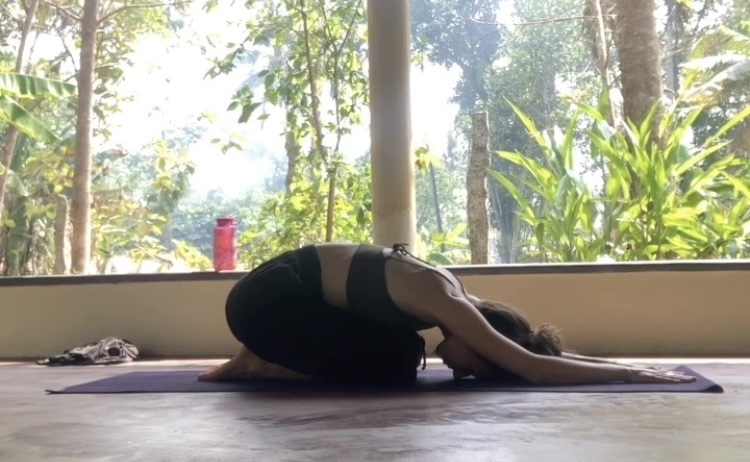
If you’re looking for a nice yoga practice (and maybe some conversations about astral projection and manifestation), visit Eagle’s Nest. I stayed here for one night and it included yoga practices overlooking the lake, sauna access, and yummy vegetarian meals.
The lake is fringed by three volcanoes and lush green forests, and the beautiful panorama is really awe-inspiring. You can soak in the surroundings with a sunset or sunrise swim, SUP session, or kayak ride, and explore many of the lake’s unique towns during the day.
Day 11: Drive to Antigua
Sadly, it’s time to leave the energy vortex behind and say goodbye to the lake. After catching a boat back to Panajachel, it will take about three hours to drive to Antigua, a charming small town with a big history.
There’s no shortage of accommodation options to choose from in Antigua. I stayed at Ojalá, a hotel and hostel located in the center of town, and can recommend it. There’s a lush garden courtyard with hammocks perfect for relaxing, and breakfast (and coffee!) are included.
Where to stay: Ojalá
Day 12: Start hiking Acatenango, an active stratovolcano
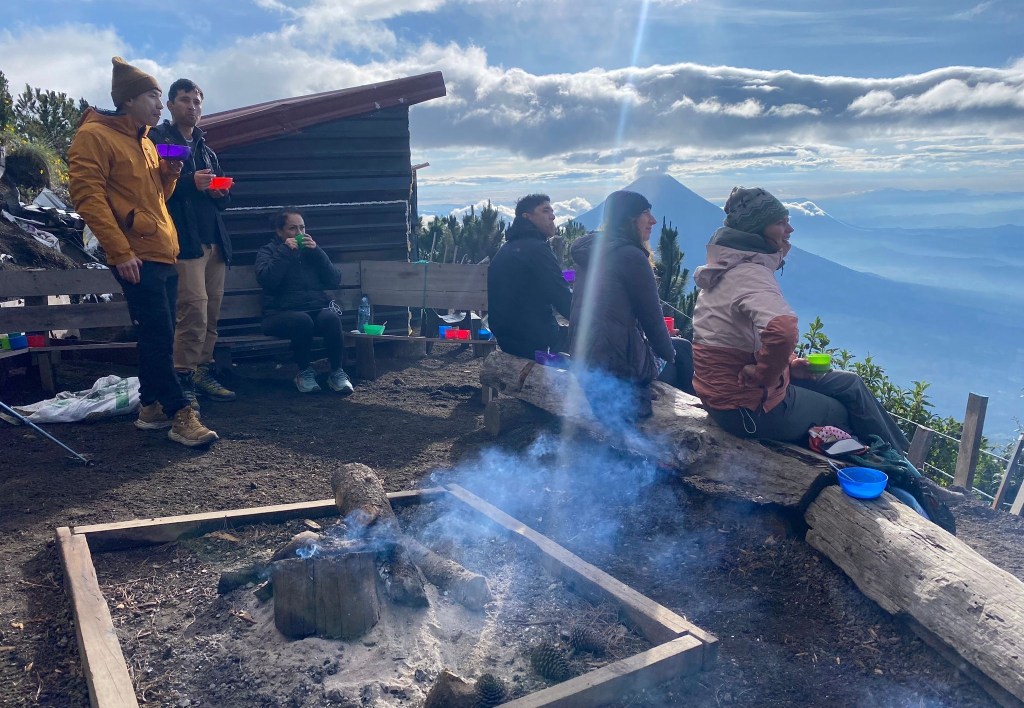
Today, you can leave the car parked and stretch your legs a little with a hike up Acatenango, the third highest volcano in Central America. Some YouTubers call it the hardest hike they’ve ever done, but if you enjoy hiking and are in relatively okay shape it shouldn’t be too challenging of an adventure. It’s worth it to see the amazing views of nearby Volcán de Fuego, which dazzles with small eruptions of gas and ash every 15-20 minutes.
Keep in mind that you’ll need to hike Acatenango with a guide. There are a few different tour operators to choose from that offer an overnight hike. You’ll climb up to the base camp on the first day and then have the option to climb Fuego to see the eruptions up close and personal. The hike to Fuego is an additional four hours in total, and typically costs extra, depending on which company you go with.
I went with V-Hiking Tours, and enjoyed the experience overall. All meals and accommodation were taken care of and they had a nice team of guides. They picked up the group in Antigua around 7am in shuttle vans and drove us to the owner’s home where we had breakfast. We also had the option to rent warm clothing and extra equipment like hiking poles.
From there, we drove to the start of the hike and made our way up the volcano with lots of water and snack breaks along the way. It was definitely a work out to reach base camp, but I enjoyed sweating and moving my body after so much time sitting in a car. At the base camp, they had little cabins and provided sleeping bags and blankets.
Unfortunately, the day was pretty cloudy so we didn’t get to catch a glimpse of Fuego at first. The extra hike also wasn’t offered once we arrived at base camp due to low visibility conditions. It was freeeeezing cold at the top, and I had trouble keeping warm, even with many layers of clothing and hot chocolate. Definitely bring all your warm clothes! There are also loose rocks in some parts, so shoes with a good grip are preferable.
Day 13: Finish hiking

In the morning, we woke up around 4am and finished the steep ascent up to the peak of Acatenango, at 3,976 meters altitude. It’s about 1 and a half hours to the top from base camp. Our group’s time at the top was rather miserable and cold, and morale was low as we trudged back down. However, there was a short break in the clouds at one point and we were cheering with joy to see Fuego erupt for the first time. It’s really an awe-inspiring sight to see an erupting volcano up close and personal.
From there, we slowly made our way back to base camp for some breakfast and then descended back to solid ground and eventually, civilization. I was quite happy to have a hot shower back at the hostel and then enjoy a matcha latte. With V-Hiking, the shuttle back to Antigua was included in the tour price. It was also possible to arrange a transfer elsewhere for an additional fee.
Day 14: Spending a last day in Antigua
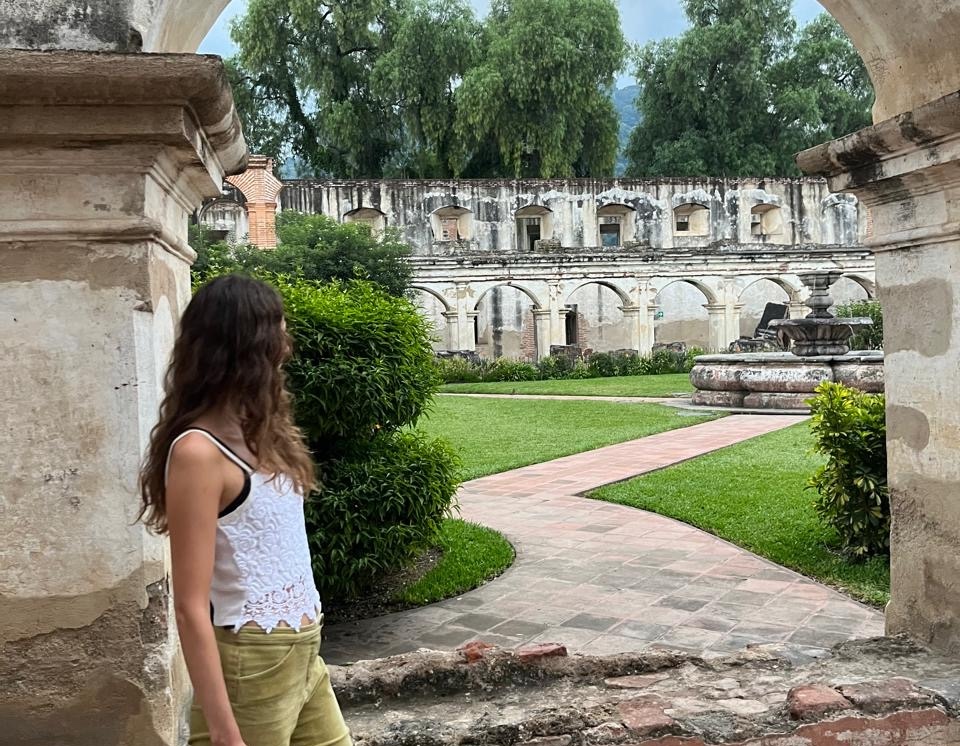
Oh no, it’s the last day! The good news is, Antigua is the perfect place to end the time in Guatemala. I loved exploring the charming cobbled streets and whiling away the afternoon here.
There are plenty of quirky cafes around town, including Fat Cat Coffee House, which is great for people watching. Street vendors sell delicious snacks like pupusas and tortillas on busy street corners and there are many excellent restaurants to choose from for all tastes, including a Taco Bell that feels like a nightclub.
In terms of sight seeing, you can check out iconic spots like the Santa Catalina Arch, Mercado de Artesenías, and Parque Central or visit one of the many art galleries, shops, museums, churches, and ruins around town, depending on your interests.
Other Places to Visit in Guatemala
Of course, there are many other amazing places and sights in Guatemala not covered here. If you have some more time or want to skip any of the destinations listed above, you can venture into other parts of the country, such as the highlands or black sand beaches on the Pacific coast.
Quetzaltenango & the surroundings: Colorful Quetzaltenango, or Xela, is the country’s second largest city. Located in the western highlands, it’s said to boast a chill vibe and offer a more authentic experience of local life than tourist-friendly Antigua. Since it’s surrounded by several volcanoes, it’s a popular destination for hikers and those seeking outdoor adventure.
El Paredon & the black sand beaches: Slowly gaining popularity amongst travelers, El Paredon is a small beach town known for its excellent surfing conditions and relaxed feel. Apart from surfing, you can catch beautiful sunsets at the beach or take a tour to see the area’s large colony of sea turtles in protected mangroves.

 Home Far Away From Home
Leave a comment