It’s the end of the year, which means life might be throwing you curveballs left, right, and center. I’m not sure what it is about this time, but it always brings up feelings of loss for me. Perhaps it’s that the trees lose all their leaves and skeletal branches stretch into the sky, stripped of all color. The temperatures drop, frost covers the ground, and the darkness sets in earlier each day.
And just like the nature around us, we often lose something, too. Everyone goes through tough times in life, challenges that can feel insurmountable. Humans experience loss, grief, unexpected endings, challenges, and changes that can make us feel scared and adrift. And sometimes, we find ourselves seemingly alone, and need to pull ourselves back up and into the flow of life. It’s never easy, but facing these difficult times can help build strength, resilience, and basically become unfuckwithable. (What a badass word!) And so often, through these hard times, we see that change often leads us to where we’re meant to be, to who we’re meant to become. Basically, the human spirit never ceases to amaze in its resilience.
Here are some resources that have helped me when dealing with tough times. Generally, I try to remember that I’m just a piece of energy existing here on good ol’ planet earth, and sometimes this energy needs to be put into motion, lifted up out of a hole, placed in connection, or left to rest peacefully, depending on the current moment. From yoga and connecting with nature to educational courses and uplifting tools, the following activities and aids can help you when things become difficult or life feels like too much. Of course, what serves one person might not serve everyone, but generally these are good starting points to find and keep cultivating your inner strength, during winter and the rest of the year.
1. Yoga & Meditation
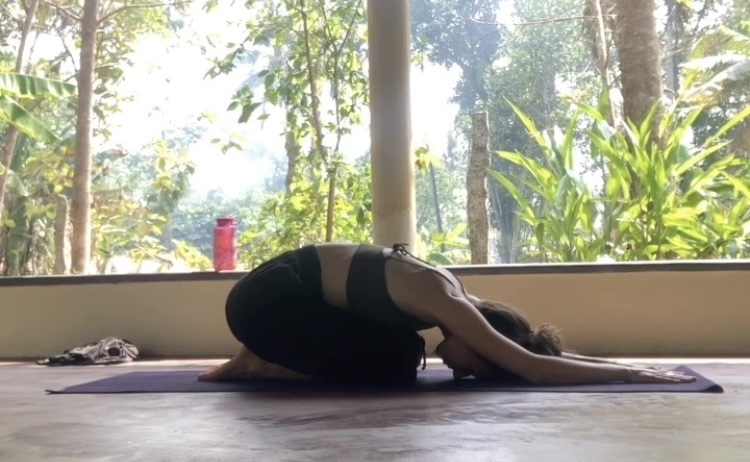
Therapeutic in nature, yoga combines physical postures (asanas), breathing techniques (pranayama), and meditation (dhyana), along with a philosophical and ethical framework that involves self-discipline and inner observation, offering physical and mental health benefits for practitioners, as well as a path to a more meaningful life. Yoga activates the parasympathetic nervous system, bringing the body to the “rest and digest” state, promoting feelings of calm and safety. It’s proven to help people struggling with chronic pain, insomnia, anxiety, depression, eating disorders, and other health issues, and yoga rehabilitation programs can be found in prisons, hospitals, and beyond.
Personally, I have found yoga to be essential in my own healing and it’s a part of my everyday life. Like many people who are passionate about yoga, it’s not really easy to put into words the impact practicing has had on my life and the way I live, but it is what has picked me up and kept me going during some of the most painful times in life. When my dad passed away unexpectedly, Yin classes were where I could find some peace and let the tears flow out during shavasana. When I felt stuck in a negative work environment, dynamic vinyasa classes were where I could flow (and sweat) through tough emotions and learn how to take flight once again. The simple act of stepping onto your mat and lifting yourself up, literally, in poses like plank gives you so much strength off of the mat. Seeing how strong you are, how much growth you’re capable of, and achieving asanas you once found impossible can help build self-esteem, self-compassion, and a sense of connection with yourself and others in community.
In my practice lately, I try to connect with what’s going on inside without judgment, noticing if any difficult emotions are coming up without attaching or labeling them. I notice that I generally feel happier if I flow effortlessly through asanas, go deeper in a backbend, or do something I couldn’t in the past. Basically, if I am better in these tangible, measurable ways. Progress, discipline, and goals are definitely important and part of the practice, however, I’m trying to get more curious and accepting of myself on the days where I wobble and fall out of balance or don’t do shoulder stand because my neck feels a bit tender, for example.
The Yamas and Niyamas (ethical restraints for relating to yourself and others) are also becoming increasingly important off of the mat for me, especially ahimsa, the principle of non-violence. For a long time, I’ve thought about non-violence towards others, but lately I’m thinking about the ways we can cause ourselves violence in trying to keep the peace or appease others, and how we can be violent toward our bodies by pushing ourselves to perform or do too much without adequate rest. We can practice ahimsa towards ourselves as well as the earth and environment. Satya (truth), asteya (non-stealing), brahmacharya (moderation), and aparigraha (non-possessiveness) are the other Yamas (inward focus), while saucha (purity/cleanliness), tapas (discipline), svadhyaya (self-study), santosha (contentment), and ishvara pranidhana (surrender to a higher power) are the Niyamas (outward focus). There’s a lot more that could be said about the Yamas and Niyamas, but will leave it here for now. No matter what you’re working through, adding a weekly (or more) yoga practice to your schedule is a great idea!
2. Movement & Bouldering

Exercise of any kind can be the best medicine, for mind and body. Not only does it lower the risk of chronic diseases, but it can also improve mental wellbeing. Movement and sweating release endorphins, which lead to stress reduction and improved mood.
While everyone has certain exercise types that they’re drawn to (whether it’s dance, pilates, cycling, or swimming) and it can take some experimenting to find which you like, I’ve personally found long walks and evening runs to fit me best. While running in the dark is not everyone’s cup of tea, I feel so relaxed after pushing myself to jog through my neighborhood’s forest for 30 minutes or so. The intense emotions I’m feeling before the run tend to fade into a sense of calm and a good night’s sleep.
Another movement type that is particularly great for moving through tough times and building strength is bouldering. Pulling myself up a wall helped me learn how to literally carry and move my own weight, overcome fear and discomfort, build resilience, and just have fun, as it’s a pretty social sport. If you’re feeling stuck or scared of something, bouldering is a great tool for moving through the emotion and coming into flow.
3. Journaling & Practicing Gratitude

Journaling first thing in the morning (or any time of day, really) is a powerful tool for self-connection. By letting it all out on the page, whether it’s anger, sadness, joy, anticipation, or curiosity, putting pen to paper can help you organize your thoughts, feel more clarity, and calmness. Often, my mind is buzzing with too many thoughts or feelings, and the act of writing it all down brings me back to balance.
While I often just write three pages in a stream-of-consciousness style in the morning, with no judgment or particular destination in mind, there are many journaling exercises out there if you’d prefer more guidance. For example, if you’re working through a challenging situation with another person, you can try writing them a letter that you know you’ll never send, just letting everything you feel get out of your system in a cathartic way. If it’s the end of the year, and you’re feeling like reflecting, there are many online resources, such as this Yoga Journal article.
Another powerful exercise is to write down, or verbally say out loud, what you’re grateful for in your life. In the past, a part of me felt like the gratitude thing was cheesy, or a bit toxic positivity. Sometimes, life just sucks, and you need to really feel it without trying to find the silver lining or wrap it in a bow. It’s okay to scream at the top of a mountain or to give yourself time to cry, wrapped in a blanket burrito. But, when you’re ready, beginning to carve out time in your day to notice the big and small things that are simply amazing can really help boost your overall mood and enjoyment of life. It can be like building a muscle, in noticing and appreciating the people that are there for you when you fall down, the feel of sun on your face, or a kind smile from a stranger. And, as this muscle gets stronger, wonderful things happen!
4. Connect with Nature & Go on a Hike

Getting outside and being in nature benefits the mind and soul, and there are many studies that highlight nature’s positive impact on our mental health. We are part of nature, in all its aliveness, and getting out of the city and into natural ecosystems can be rejuvenating. In low moments, taking a forest walk and hugging some trees can help lift the spirits. A grounding exercise that always picks me up when feeling down is to lay on the earth, feeling it support me, and imagine tree roots growing from my body into the earth, connecting and rooting.
If tree root meditations aren’t your thing, there are other ways to feel close to nature. For example, going on hiking trips, whether for the day or a month, is a great pick-me-up. Moving one’s body all day, sweating, and going up hills, feels so cathartic and often leads to a healing night’s sleep. When I was experiencing a time with a lot of anger, I went hiking in the mountains at least once or twice a week, often alone, sometimes with friends. Not only did my body feel calmer and stronger, but my mind worked things out while pushing myself up the mountain, sweating and silently saying “Fuck you!” with every step. I don’t know, but it helped so much to process tough things.
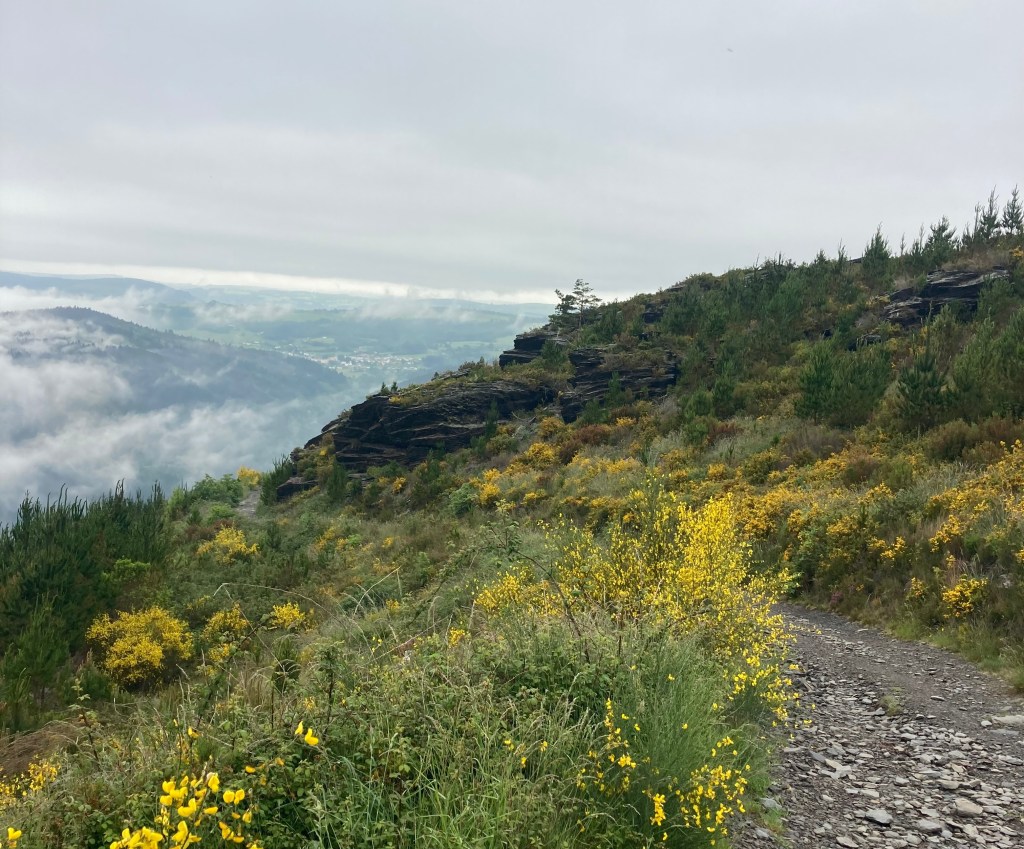
If you have the time and space, a long-distance walk or hike can be incredibly therapeutic (and a nice adventure that brings you fresh inspiration). More and more people are walking the Camino de Santiago in Spain each year, and there are routes of varying distances and difficulties, depending on how long you’d like to walk. And, if you really want to go on a hike and be in nature, consider doing one of the long thru-hikes in the US, like the PCT or AT.
5. “The Artist’s Way” Book Course

If you’re feeling stuck or stagnant in life, “The Artist’s Way” should be added to your reading list. The book is a 12-week course, divided into a chapter for each week. The focus is on creative recovery using tools like Morning Pages (the three pages of morning, stream-of-consciousness journaling mentioned previously), Artist Dates (taking yourself out on a solo adventure or activity each week), and other exercises to help you overcome blocks or obstacles holding you back from building a relationship with your inner artist and creating whatever it is you want to create.
It’s an uplifting read for a stronger sense of self, autonomy, compassion, and faith in your own creative process, and can help give you a little push and the momentum you need to start writing, painting, or sculpting. The Morning Pages really helped me get more in touch with my inner world and notice the ways in which my outer reality was not aligned with my goals and values. At first, I felt like a broken record, waking up and just writing three pages of complaining about my job at the time. Grumpiness city. But slowly, shifts happened and my reality began to reflect the life I wanted for myself more and more. It’s still a daily process, of writing, listening, and then making choices that reflect my personal values and goals, but things are more aligned than when I started two years ago.
The other main tool in “The Artist’s Way” is the Artist Date, which is a weekly activity that you do by yourself each week, such as taking yourself to a restaurant you’ve been wanting to try, a museum, a new place, or silly activity, like going to a dollar store and buying the first three things that catch your eye. Really, it’s about giving yourself the experiences that you wish for yourself and having some fun with your inner child, without relying on anyone else. It’s injecting a little color and whimsy into your life.
6. Making a Bucket List or Vision Board

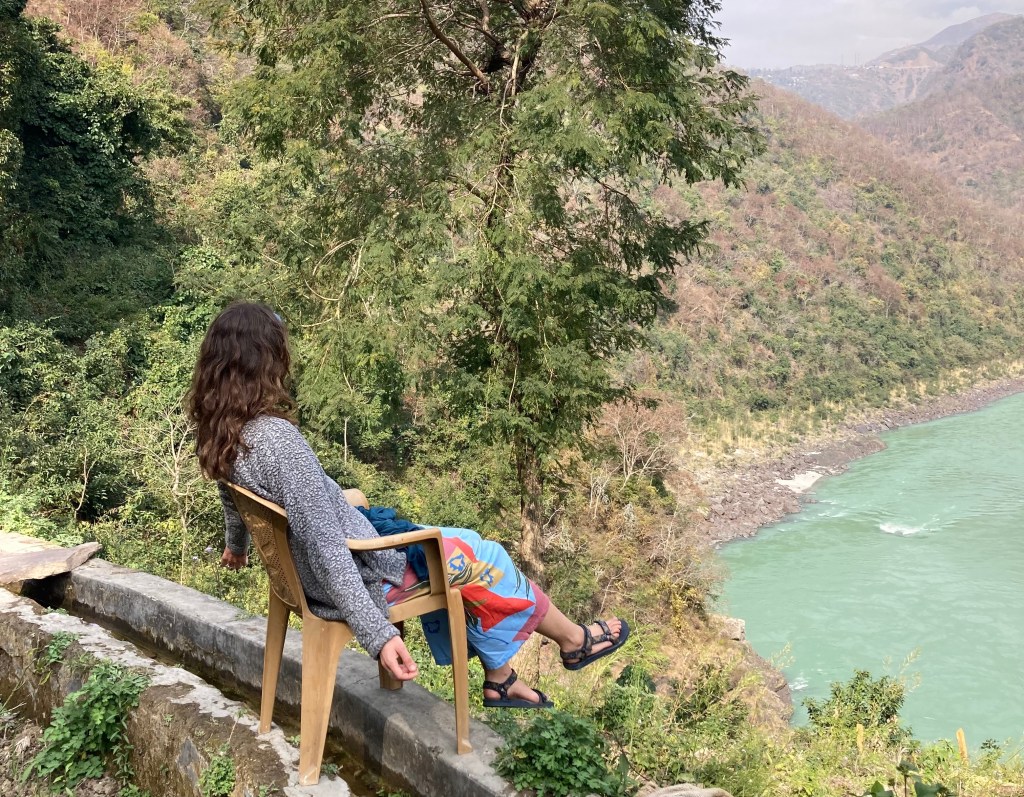
I’m not sure if the term “bucket list” is still hip with the kids these days, but regardless, I like the idea behind it. Writing down the experiences you’d like to have on this planet before you die, whether that’s traveling and visiting new places or pursuing a new hobby you’ve always wanted to try, like taking a pottery class, can help us stay consciously connected to what we value and find important, acting like a guiding compass when we’re lost in the woods. It’s like a gentle reminder that life is short and our energy is limited, so don’t be afraid to get out there and do the things that excite and scare you. Last year, writing down a bucket list led me to travel to India alone for some yoga trainings and cool new experiences, as well as hiking part of the Oregon PCT, which injected more color and meaning into 2025.
Another similar activity is to create a vision board for your year or general future. Creatively designing and including images and words on a piece of paper or poster is helpful for clarifying your goals and intentions, boosting motivation, and staying focused on what matters most to you. In looking back at last year’s vision board, I’m a little spooked at how each! image manifested itself very tangibly into the fabric of the year! For example, I put a dragonfly on the board, and ended up getting a spontaneous dragonfly tattoo a couple months later. The images of the trees, mountains, and ocean also ended up being a memorable part of 2025.
7. MBSR Course

A mindfulness-based stress reduction (MBSR) course is an 8-week course that focuses on mindfulness meditation, gentle yoga practices, breathing exercises, and body scans to help you develop greater resilience in dealing with stress, pain, anxiety, and other illnesses. By being aware and mindful in the present moment, you can cultivate greater peace and a calmer mind and body.
While there are a variety of MBSR courses available, I completed the free one with Palouse Mindfulness online and found it a great resource. The course, which included videos, readings, and daily practices, really helped me deal with a tough time and develop a daily meditation practice where I tuned into myself and inner world, just observing anything that was coming up in the moment without judgment. Highly recommend trying it out!
8. Trying Something New
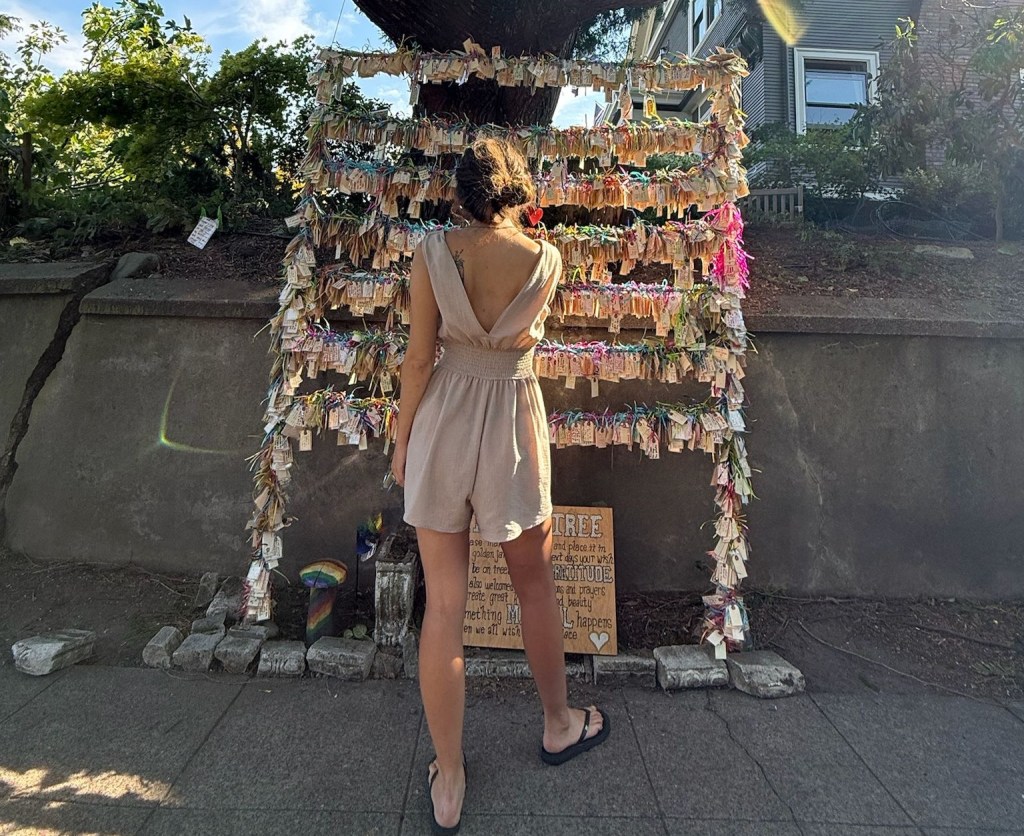
Trying something new has a way of getting us out of old, stagnant routines and into a fresh, new perspective. It can engage the brain in novel ways, waking it up and building confidence, as well as getting in touch with your inner child. Plus, it’s fun! (Yay, fun). Going somewhere new, cooking and eating a new food, getting into a new sport or activity, or a new creative hobby are all ideas for adding a little spice of the new.
When I feel stuck or restless, going somewhere new has definitely helped mix things up and remind me that the world is larger (and more magical) than I thought. It’s also a reminder that we are the authors of our own experience, even when a lot of things feel out of control, by bringing something we haven’t tried before into our day.
9. Prioritizing Rest & Self-Care
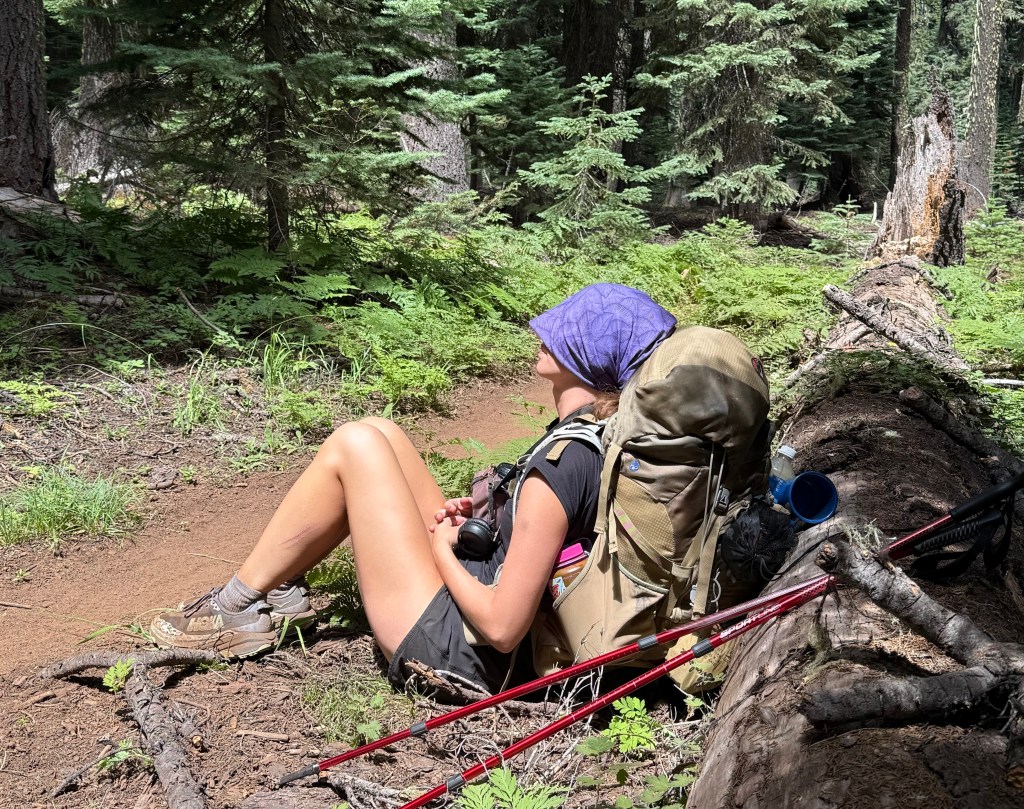
Prioritizing rest in a busy, chaotic world is essential for mental and physical well-being. Rest can look different for everyone, but generally I think carving out time to lay in the grass (or sand) on a sunny day, especially by a river or beach, is peak rest goals. Just breathing, relaxing, and feeling the sun on your skin, with nowhere to be and nothing to do, can work wonders for the soul. When it’s not summer, other ways to rest include a warm bath, naps, quiet time, sauna, cozy friend time, relaxing with a book and warm mug of tea, and yoga nidra. (And more!)
To be honest, self-care is a term I didn’t understand for a long time. Just in the last couple of years, I’ve been realizing that it’s a continual process that is no one thing, but rather checking in with yourself and sensing what you need in a given moment and acting accordingly from a place of kindness. If I’ve been working at my laptop for a long time and feel drained, self-care can look like shutting everything down and going for a long, slow, quiet walk in the forest, taking the time to really notice and see the trees, plants, and small animals in my surroundings. If I’ve been teaching a lot of yoga classes and my body feels tired, self-care can be a warm bath with lavender essential oil and a free morning to sleep in without any alarms or to-do lists. And if my energy is restless or feels irritated by something, going on a jog and moving as fast as I can has a way of calming everything down.
10. Ecstatic Dance
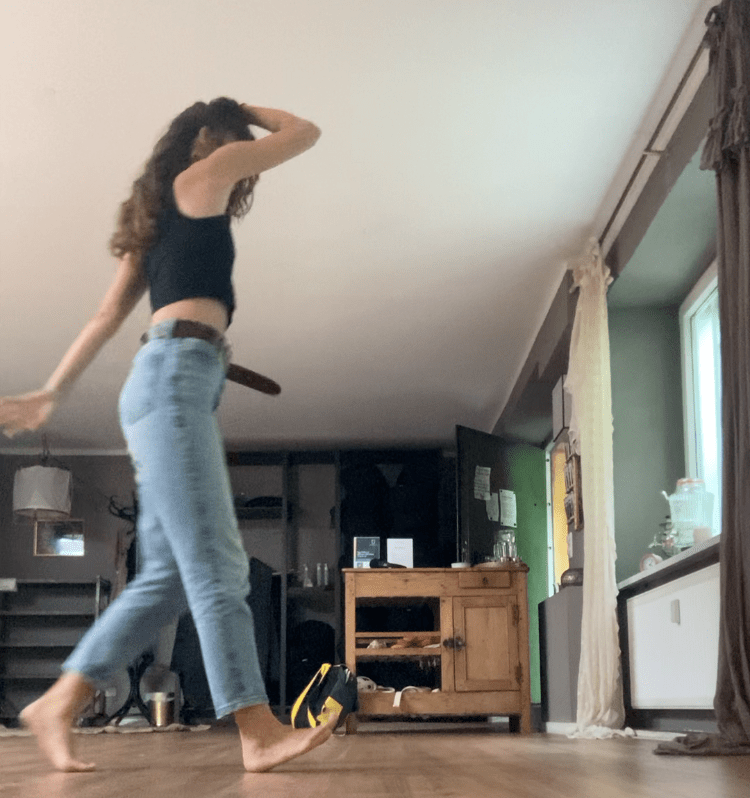
A few years ago, a friend introduced me to ecstatic dance, which is a free-form movement practice where you dance to music with creative self-expression and connection with one’s body and surroundings. These events are alcohol- and drug-free with the focus on community and presence, where DJs create journeys through sound and music that shift through different energies. Emotions surface and are released through movements and improvisation, whether that’s wild stomping, playful tip-toeing around the space, dancing collaboratively with someone else or a group, or gentle swaying like a tree in place.
The dances I’ve attended have been very free, safe, and supportive environments, that, while out of my comfort zone at first, were enriching and left me feeling connected with myself and others. Plus, you sweat a lottt which is really nice and a natural mood-booster. There are generally ecstatic dance organizations in most major cities, so can definitely recommend checking it out if you’re curious. In Munich, Ecstatic Dance Munich is a nice option with dances every Saturday evening.
11. Read or Watch Something That Inspires You
Another great thing to do if you’re feeling stuck or a little lost is to check in with what you’re watching, reading, or listening to. Often, tuning in with inspiring content has a way of leading to inspiring changes in our own lives. Watching or reading about people climbing mountains, achieving amazing athletic feats, or simply fighting to beat the odds in documentaries is super uplifting. For example, Free Solo, Girl Climber, and Dawn Wall are documentaries about climbing that might inspire you to do something crazy (in a good way).
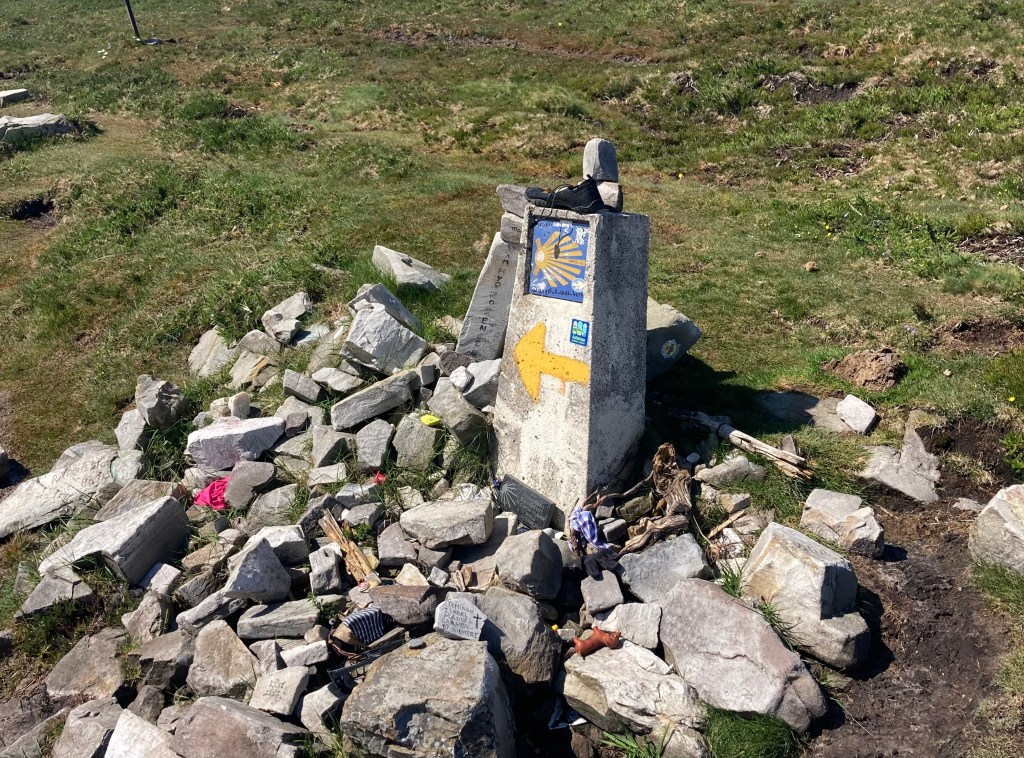
Watching “The Way”, a slightly cheesy movie about the Camino de Santiago in Spain, put a seed of inspiration in my mind to go walk it myself, in a time when that felt like something wayyyy out of the comfort zone due to some fear and self-doubt. Thanks, Emilio Estevez!
12. Talk Therapy

Talk therapy is pretty popular these days, especially in comparison to just a decade ago, and for good reason. Talking to a trained professional can help improve your communication skills, treat mental health conditions, increase self-awareness and compassion, face fears and limiting beliefs, and lead to stronger, healthier relationships, among many other benefits. It can also provide you with essential support in tough times, where a therapist’s voice can help you see things you aren’t able to alone.
Therapy is a great tool that can really help in certain ways, but also think it’s most powerful when used in combination with movement-based practices like yoga, hiking, and dance. (Source: “The Body Keeps the Score”). Sometimes the only way to release things is to move through them and shake it all out.
13. Volunteering & Giving Back

Often, the best way to help yourself is to help others. Giving back and being of service to your community and the world around is a wonderful way to gain perspective, and it can give you feelings of purpose, boost self-esteem, and foster social connection. You don’t have to be materially rich to give back and help other people, in fact, giving your time and energy can be more valuable.
Some ideas for volunteering include local food banks, animal shelters, schools, permaculture farms, or non-profit organizations. You can maybe start by looking into organizations that align with your unique values and interests, and see if they are in need of volunteers. If you like hiking, you could consider volunteering as a hiking guide in Guatemala with Quetzeltrekkers. If you’re passionate about the environment, staying and contributing to a permaculture farm like Vale de Lama in Portugal is something to consider. In addition, if there’s something you enjoy doing, just sharing this passion with other people in the spirit of giving back and sharing (and not to earn money) can be a positive experience.
14. Surround Yourself with Supportive People
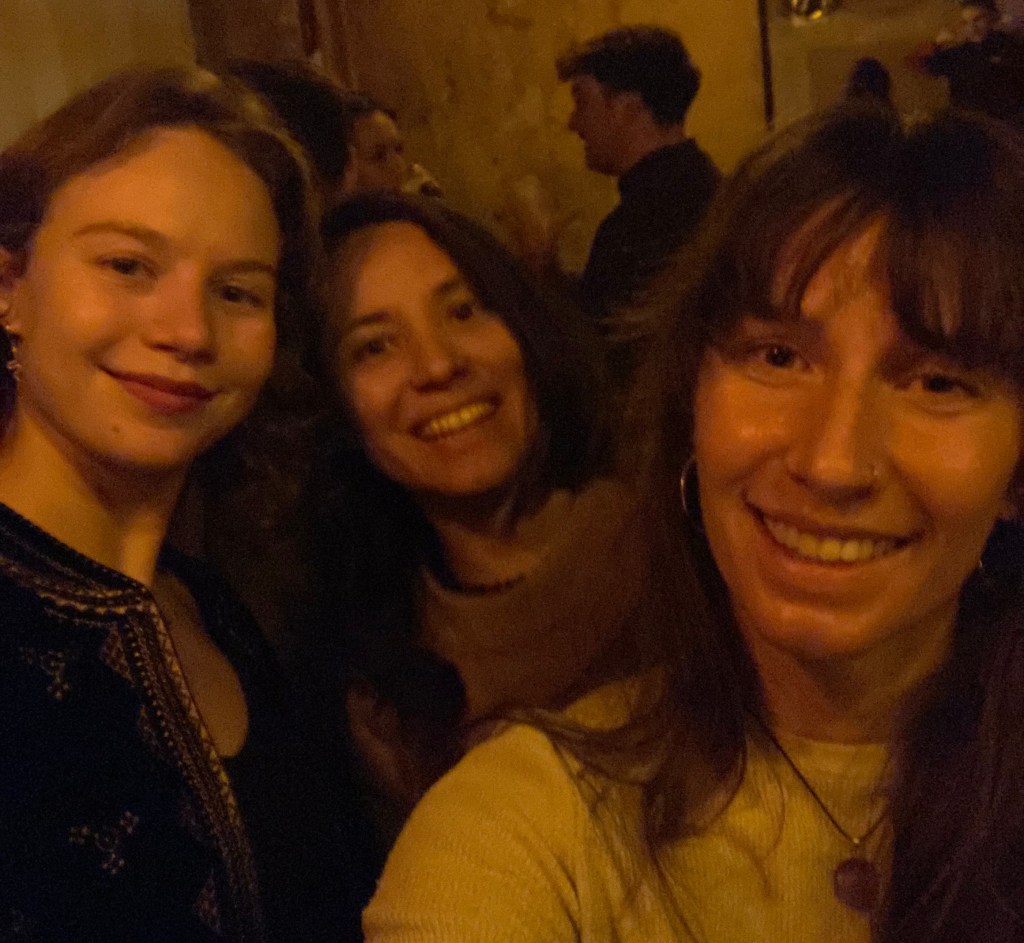
Last on this list, but certainly not least, is to be conscious about spending time with positive people who lift you up. Being around supportive people is a vital ingredient for mental and physical health, even leading to a longer life. Making time for your (chosen) family and friends who help your nervous system feel regulated and calm is incredibly important, and you shouldn’t feel obligated to be around anyone who leaves your cup feeling drained. The good news is, we can choose the family that does surround us.
We all go through tough times and low points, and no matter how strong we are, support networks are important for remembering who we are and seeing the light through darkness. Meeting for coffee, calls, and quick texts with trusted people can help you feel more connected and foster a sense of belonging in the long run. In the process of building a home in a different country, I am so grateful for all of the supportive people around me who listen without judgement, share uplifting moments and laughs, and stay connected through this thing called life.

 Home Far Away From Home
Leave a comment